
blogging vs social media

Blogging vs Social Media: Which one Grows Your Business?

Blogging and social media can both help your business grow, but they work in different ways.

Blogging can build long-term organic traffic, while social media can create faster engagement and brand awareness.

So, which one should your business focus on? The answer depends on your goals, audience, budget, and available resources.

What Is Business Blogging?

Business blogging means creating useful articles for your company website. These articles answer customer questions, explain products, share tips, and provide solutions to common problems.

For example, a fitness company may publish blog posts about healthy meals, home workouts, and weight loss tips. A software company may write about productivity, business tools, and industry trends.

Blogging is mainly useful for:

  • Increasing website traffic
  • Improving search engine rankings
  • Educating potential customers
  • Building trust and authority
  • Generating leads over time

When your blog answers questions that people search for online, your website can appear in Google results.

As a result, new people may discover your business without seeing a paid advertisement.

What Is Social Media Marketing?

Social media marketing means using platforms such as Facebook, Instagram, LinkedIn, TikTok, Pinterest, and X to promote your business and communicate with your audience.
Social media

Social media content can include:

  • Short videos
  • Images and graphics
  • Customer reviews
  • Polls and questions
  • Product updates
  • Live videos
  • Behind-the-scenes posts

Social media is especially useful for building relationships. It allows businesses to speak directly with customers, respond to comments, and show the human side of their brand.

In addition, social media can help content spread quickly. A useful video or entertaining post may reach thousands of people in a short time.

Blogging vs Social Media: Main Differences

difference between blog and social media

Blogging and social media support business growth in different ways. Understanding these differences can help you choose the right channel.

1. Traffic and Visibility

Blogging can bring steady traffic through search engines. A well-written blog post may continue attracting visitors for months or even years. This is one of the biggest benefits of blogging.

Blog traffic usually takes time to grow. You need keyword research, quality content, links, and regular updates.

Social media can provide faster visibility. A new post may reach your followers immediately. Also, social platforms can help you reach new users through shares, hashtags, recommendations, and paid advertising.

Still, social media reach can change quickly. Platform algorithms may reduce the number of people who see your posts. Therefore, businesses should not depend only on social media.

2. Customer Trust

Both blogging and social media can build trust, but they do so in different ways.

Blogging shows your knowledge. Detailed articles allow you to explain complex topics and provide helpful answers. Over time, this can position your business as an expert in its field.

Social media creates a more personal connection. Customers can see your team, ask questions, read comments, and view real customer experiences. Consequently, social media often makes a brand feel more friendly and accessible.

3. Cost and Time

Starting a blog is usually affordable. You need a website, a content plan, and time to create useful articles. However, writing high-quality blog content can take several hours.

Social media accounts are generally free to create. Yet, managing several platforms requires regular work. You need to plan posts, create visuals, reply to comments, monitor results, and follow platform trends.

If you use paid social media ads, your costs may increase. On the other hand, paid promotion can produce faster results when it is carefully targeted.

4. Content Lifespan

Blog posts usually have a longer lifespan than social media posts. A helpful article can remain visible in search results long after it is published.

By comparison, social media posts often have a short lifespan. Some may receive most of their engagement within a few hours or days. Therefore, you need to publish regularly to stay visible.

That said, strong social media content can be reused. For example, you can turn one blog post into a video, a carousel, a quote graphic, and several short posts.

5. Sales and Conversions

Blogging can support every stage of the customer journey. A person may find your business through an educational article, join your email list, compare products, and eventually make a purchase.

Social media can also drive sales through product links, direct messages, shopping features, and advertisements. It is especially effective for visual products, personal brands, lifestyle businesses, and companies with active communities.

However, social media users may not always be ready to buy. They may simply be browsing. Blog readers, especially those searching for solutions, may have stronger buying intent.
Which Is Better for Business Growth?

There is no single answer for every business. Blogging may be better if you want long-term organic traffic, strong search visibility, and educational content. It is also a good choice for businesses that sell professional services or complex products.

Social media may be better if you need quick awareness, direct customer interaction, and visual promotion. It works well for restaurants, fashion brands, coaches, creators, local businesses, and consumer products.

In most cases, the strongest approach is a combination of both.


How to Use Blogging and Social Media Together

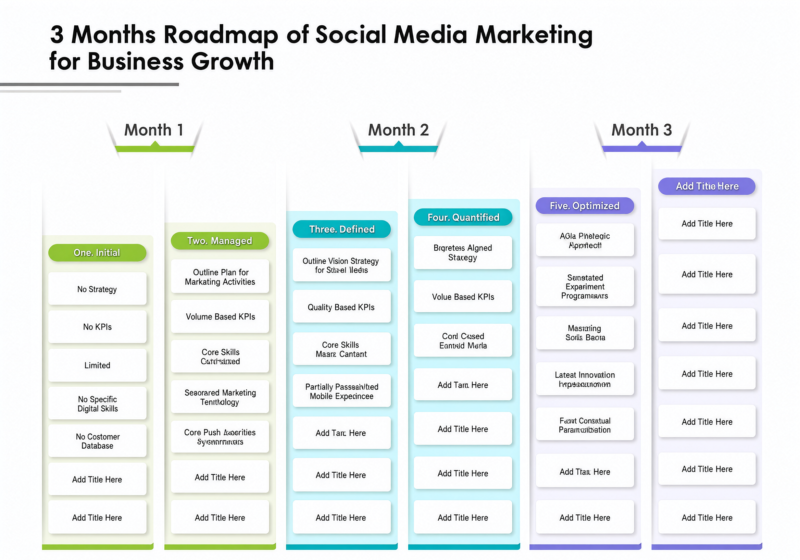
3 montths roadmap 

Instead of choosing only one channel, connect your blogging and social media strategies.

First, write a useful blog post based on a customer question. Next, share the article on your social media profiles. Then, create smaller pieces of content from the same article.

For example, one blog post can become:

  • Three Facebook posts
  • An Instagram carousel
  • A LinkedIn update
  • A short video
  • A Pinterest graphic
  • A customer email
  • A list of common questions

This approach saves time and keeps your message consistent. In addition, social media can send readers to your website, while your blog can encourage visitors to follow your social accounts.

You should also include clear calls to action. Ask readers to subscribe, download a guide, request a quote, or contact your business. Without a next step, useful content may not lead to business results.

Tips for Better Blogging Results
  • To grow through blogging, focus on quality rather than publishing large amounts of content.
  • Use keyword research to find topics your audience is searching for. Write clear titles and organize articles with headings. Add examples, images, internal links, and simple calls to action.
  • Also, update older blog posts when information changes. This can improve their accuracy and search performance.
  • Most importantly, write for people first and search engines second. Helpful, natural content usually creates better long-term results.


Tips for Better Social Media Results
  • Choose the platforms where your audience spends the most time. You do not need to manage every social network.
  • Post consistently, but do not focus only on promotion. Share useful advice, answer questions, show customer stories, and give people a reason to follow your brand.
  • Use strong visuals and short videos when possible. Also, reply to comments and messages quickly. Active communication can improve trust and customer loyalty.
  • Finally, review your analytics. Track reach, engagement, website visits, leads, and sales. Then, create more of the content that produces real business value.

Conclusion

So, blogging vs social media—which helps business growth more?

BLog

Blogging is stronger for long-term traffic, search visibility, and authority. Social media is stronger for quick reach, engagement, and community building. Neither channel is perfect on its own.

The best plan is to use blogging as a long-term foundation and social media as a distribution and relationship-building tool. Create helpful blog content, share it across social platforms, and guide users toward a clear business action.

With consistency, useful content, and regular measurement, both channels can help your business grow.

FAQs

1. Is blogging better than social media for SEO?

Yes, blogging is usually better for SEO because search engines can index your website content. Blog posts can rank for keywords and bring organic traffic over time. However, social media can support SEO by increasing brand awareness and content sharing.

2. Can social media replace a business blog?

Social media should not completely replace a blog. You do not own your followers or control platform algorithms. A blog gives you a website-based content asset that you control and can use for long-term traffic.

3. How often should a business publish blog posts?

There is no fixed rule. One high-quality blog post per week or every two weeks can be effective. The most important factors are relevance, usefulness, consistency, and proper optimization.

4. How often should a business post on social media?

Posting several times each week is a good starting point. However, the ideal schedule depends on your platform and audience. Focus on quality and engagement instead of posting too often.

5. Which strategy is cheaper: blogging or social media?

Both can be affordable when managed internally. Blogging may require more time for research and writing, while social media may require design, video, and advertising costs. Your budget and business goals should guide your choice.

6. What should a small business choose first?

A small business should choose the channel that matches its audience and resources. If customers search for answers online, start with blogging. If your audience is active on visual or community-based platforms, start with social media. Eventually, use both for stronger growth.

Need help improving your local search visibility?

EDM Digital can help you build a stronger local SEO strategy, optimize your online presence and attract more relevant customers

Leave a Reply

Your email address will not be published. Required fields are marked *