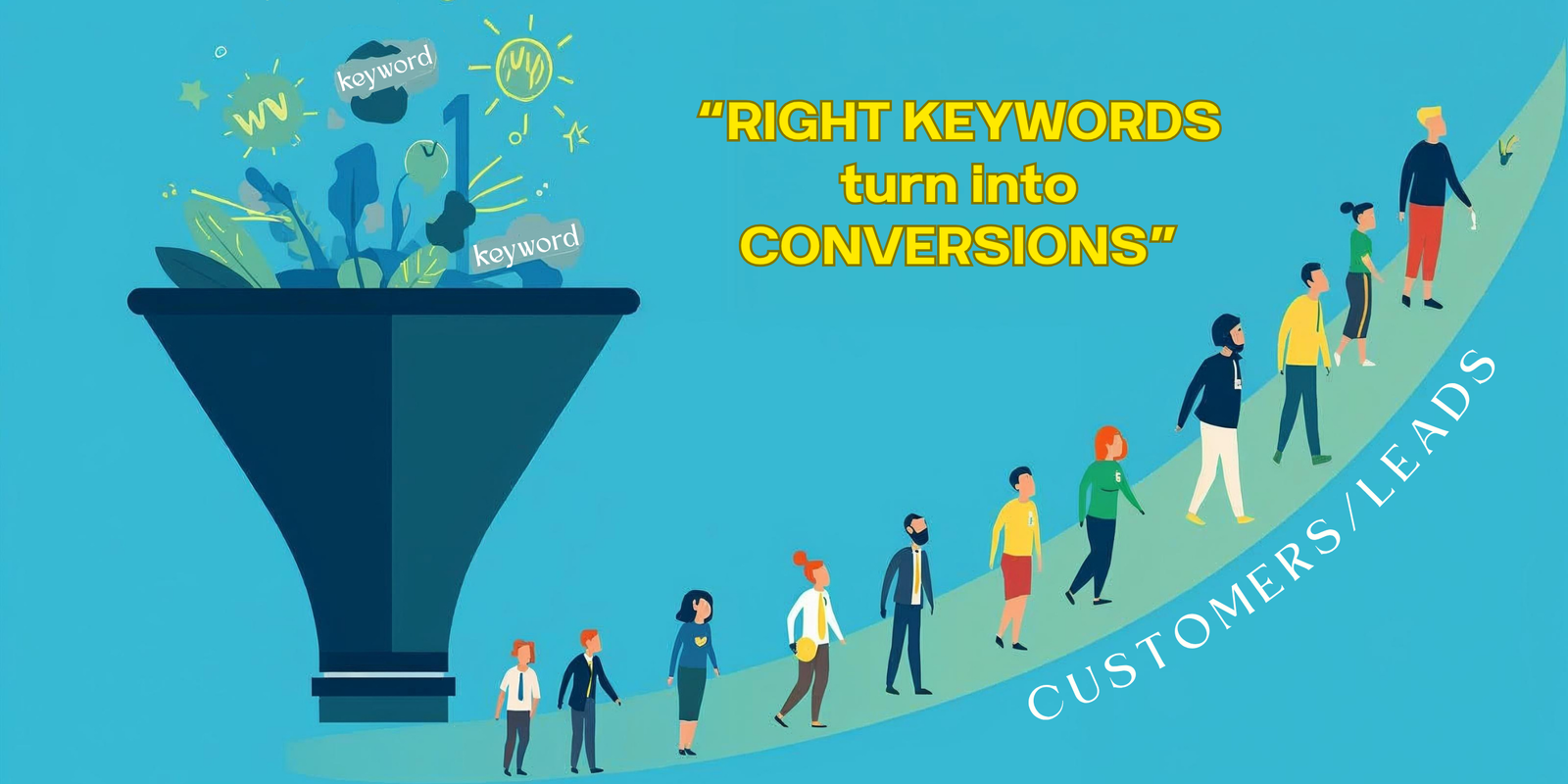
How to Choose the Right Keywords That Actually Convert
Ranking high on Google feels great—but traffic alone doesn’t pay the bills. The real win comes from attracting visitors who actually become customers. That’s where keyword selection makes all the difference.
Too many businesses chase high-volume keywords that bring clicks but no conversions. The secret to SEO success isn’t just about visibility—it’s about targeting the right keywords that connect with buying intent.
In this guide, we’ll break down how to choose keywords that don’t just drive traffic but actually drive sales in 2025.
Why Keyword Choice Matters for Conversions
Every search reflects intent. Some people are browsing, others are comparing options, and some are ready to buy right now. If your content targets the wrong intent, you’ll attract traffic that doesn’t convert.
For example:
- “Best coffee brands” → Research intent.
- “Buy organic coffee beans online” → Transactional intent.
Both can drive traffic, but only the second one brings in customers ready to purchase.
Choosing the right keywords ensures you’re reaching the audience at the right stage of their journey, turning searchers into paying customers.
Step 1: Understand Search Intent
The foundation of keyword research is understanding why someone is searching.
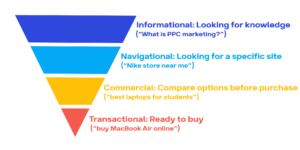
To maximize conversions, focus primarily on commercial and transactional keywords. Informational keywords are valuable for top-of-funnel content, but they rarely convert directly.
Step 2: Balance Volume and Relevance
High-volume keywords are tempting, but they’re often competitive and too broad. The sweet spot is finding keywords with enough volume to matter and high relevance to your offering.
For example:
- A local dentist shouldn’t target “dentist” globally—it’s too broad.
- Instead, “emergency dentist in [city]” is lower volume but highly relevant and conversion-driven.
Quality beats quantity every time. A keyword that brings in 100 visitors with 10 conversions is better than one that brings 1,000 visitors with zero conversions.
This simply means that you should create conversion focused content.
Step 3: Use Long-Tail Keywords
Long-tail keywords (3–5+ words) are less competitive and more specific, which makes them powerful for conversions.
Instead of targeting “digital marketing,” aim for:
- “affordable digital marketing agency for startups”
- “B2B digital marketing services in [city]”
These phrases attract users who know what they want—and are closer to buying.
Step 4: Analyze Competitors
Your competitors can be a goldmine of keyword insights. Tools like SEMrush, Ahrefs, or even Google’s “People Also Ask” can reveal what’s driving their traffic.
Ask yourself:
- Which keywords are they ranking for that I’m not?
- Are they targeting high-intent keywords I’ve overlooked?
- Can I create better, more conversion-focused content than theirs?
Learning from competitors saves time and helps you identify proven opportunities.
Step 5: Evaluate Keyword Difficulty and ROI
Not every keyword is worth the effort. Before targeting, consider:
- Difficulty: How hard is it to rank? (Check keyword difficulty scores in tools).
- CPC (Cost Per Click): High CPC often signals high commercial value.
- Relevance: Does the keyword directly connect to your product or service?
Sometimes, lower-volume but lower-competition keywords deliver the best ROI because they’re easier to rank for and highly targeted.
Step 6: Align Keywords with Landing Pages
One of the biggest mistakes businesses make is targeting keywords without aligning them to specific landing pages.
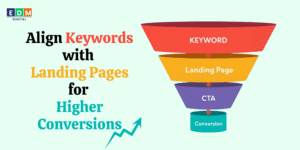
If you want to rank for “affordable SEO packages,” don’t just stuff it into a generic homepage. Create a dedicated service page optimized for that term, with a clear CTA that makes conversion easy.
When your keyword, content, and CTA all align, you maximize the chances of turning visitors into leads or customers.
Step 7: Keep Testing and Refining
Keyword strategy isn’t static. Trends shift, competitors adapt, and customer language evolves.
Track which keywords drive not just traffic but actual conversions. If a keyword brings clicks but no leads, refine your targeting. If another keyword drives high conversions, double down with more content around it.
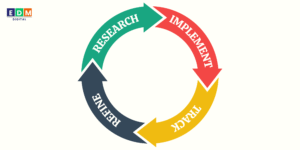
The best SEO strategies in 2025 are agile, always adapting based on data.
Real-World Example
Imagine an online fitness coaching business.
- They first target “fitness tips,” which brings lots of visitors but no sign-ups.
- After refining, they target “online fitness coach for beginners” and “personalized fitness plans under $100.”
Traffic is smaller, but conversions soar because the keywords align directly with their offer.
That’s the difference between traffic and meaningful leads.
Final Thoughts
Choosing the right keywords isn’t about chasing the biggest numbers—it’s about understanding intent, focusing on relevance, and aligning content with customer needs.
When you shift your focus from “keywords that bring clicks” to “keywords that drive conversions,” SEO stops being a vanity exercise and starts being a revenue engine.
In 2025, the businesses winning with SEO aren’t the ones ranking for every keyword under the sun. They’re the ones choosing the right keywords—the ones that actually convert.
Want help choosing the keywords that actually drive leads and sales? Our SEO team specializes in conversion-driven strategies that turn rankings into revenue.