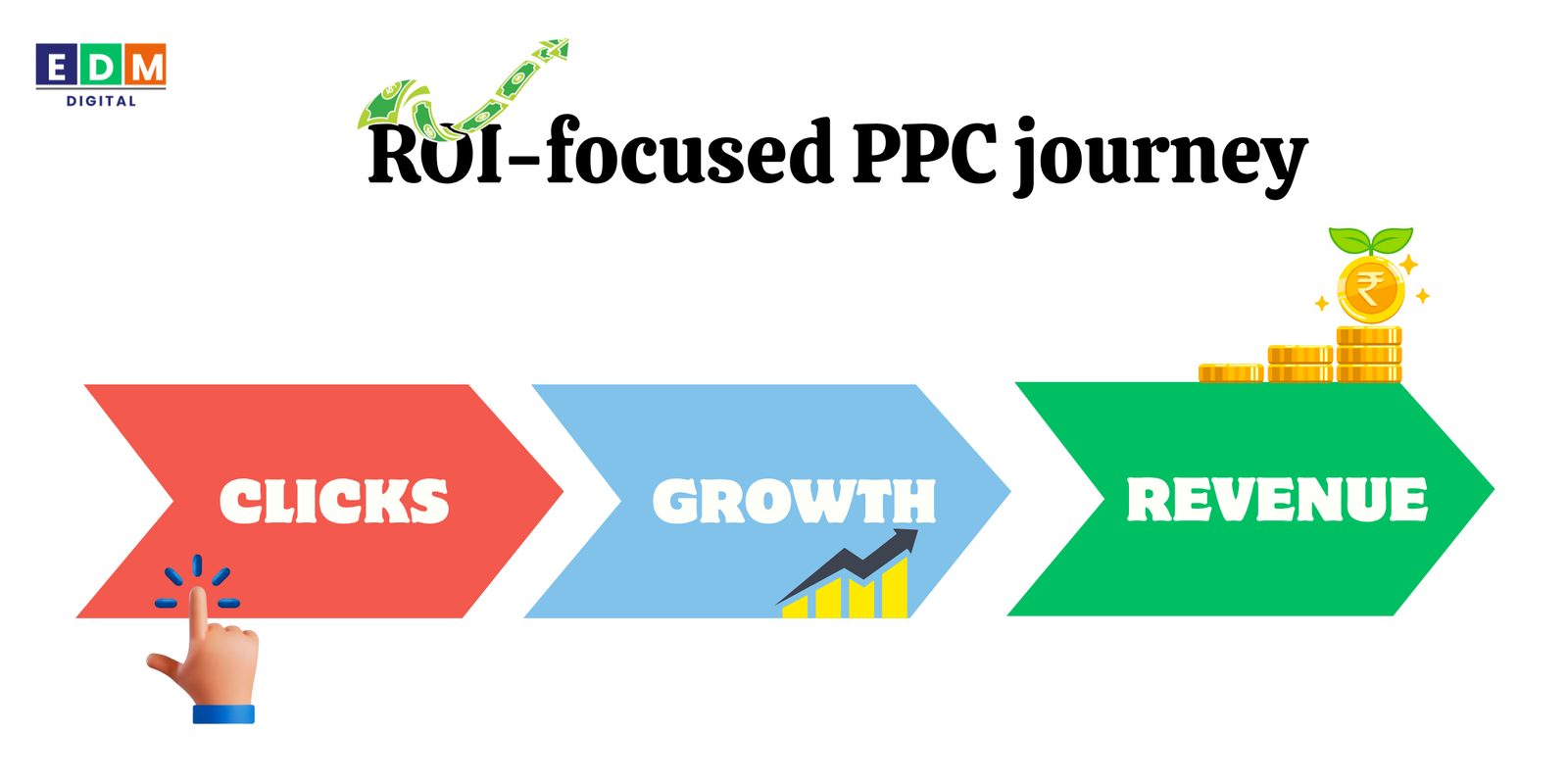
How to Create a PPC Strategy That Delivers Real ROI
Pay-per-click (PPC) advertising is one of the most powerful tools for generating leads and sales—but only if it’s done right. Too many businesses launch campaigns without a clear strategy and then wonder why their budget vanishes with little to show in return.
The truth is, a successful PPC campaign isn’t about simply running ads. It’s about building a strategy that maximizes every dollar spent and produces measurable returns. In this guide, you’ll learn how to create a PPC strategy that delivers real ROI—not just clicks. Remember, this approach works best when PPC is aligned with a broader digital marketing strategy focused on measurable growth.
Step 1: Define Your Goals Clearly
Before you spend a single dollar, you need to know what success looks like. Are you trying to drive direct sales? Generate qualified leads? Increase brand awareness?
Clear goals shape every decision in your PPC campaign—from keyword targeting to ad copy to landing page design. A campaign aimed at lead generation will look very different from one focused on boosting e-commerce sales. This is why businesses serious about ROI often connect PPC campaigns directly with structured lead generation systems.
Without defined goals, you risk running campaigns that generate traffic but not conversions.
Step 2: Understand Your Audience
Effective PPC isn’t about reaching the most people—it’s about reaching the right people. That means taking time to map out who your ideal customer is, what problems they’re trying to solve, and where they spend their time online.
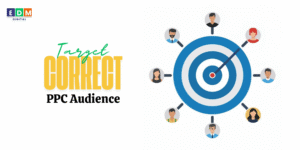
On Google Ads, that may mean targeting high-intent keywords that indicate purchase readiness. This is especially effective for local brands, where Google Ads play a critical role in capturing ready-to-buy searches. On Meta Ads, it could involve targeting specific demographics or interests that match your buyer profile. The more you understand your audience, the more precise—and profitable—your campaigns become.
Step 3: Choose the Right Platforms
Not all PPC platforms are created equal. Google Ads and Meta Ads dominate, but other options like LinkedIn Ads and Microsoft Ads are also worth exploring depending on your business.
For example, a fashion brand may thrive on Instagram and YouTube. The key is to match your platform choice with where your audience spends time and how they make purchase decisions.
Step 4: Build Smart Keyword and Audience Targeting
Targeting is the backbone of PPC. Get it wrong, and you’ll waste money on irrelevant clicks.
For Google Ads, that means doing thorough keyword research to find terms that balance search volume, intent, and cost-per-click. ROI improves significantly when campaigns focus on keywords that convert, not just high search volume.
For social platforms, targeting revolves around demographics, interests, and behaviors. Lookalike audiences and retargeting lists are particularly powerful, ensuring you’re reaching people who are most likely to convert.
Step 5: Craft Compelling Ad Copy and Creative
Even the best targeting won’t work if your ads don’t grab attention and persuade. Your ad copy should highlight the problem, offer a clear solution, and end with a strong call to action.
On visual platforms like Instagram or YouTube, creativity matters just as much as copy. Eye-catching visuals, short videos, and authentic storytelling outperform generic ads every time.
The secret to ROI isn’t just clicks—it’s clicks from people who are motivated to take the next step.
Step 6: Optimize Landing Pages for Conversions
This is where many PPC campaigns fail. You can drive all the traffic in the world, but if your landing page doesn’t convert, you’ll burn through your budget.
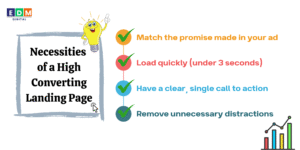
Think of your landing page as the closer. Your ad attracts attention, but your landing page seals the deal.
Step 7: Set Budgets and Bidding Strategies
Spending blindly is a fast way to kill ROI. Instead, start with a test budget and let data guide your scaling.
Platforms like Google and Meta now offer AI-powered bidding strategies designed to maximize conversions or return on ad spend (ROAS). While automation is powerful, you should still monitor closely—especially in the early stages.
The smartest approach is to balance automation with manual oversight. Use machine learning to your advantage but make adjustments based on real campaign performance.
Step 8: Track, Measure, and Attribute Correctly
You can’t improve what you don’t measure. Tracking is non-negotiable in PPC. Without it, you won’t know which ads, keywords, or audiences are driving revenue.
Tools like Google Analytics, GA4, and conversion tracking pixels help you measure performance accurately. Go beyond vanity metrics like clicks—focus on metrics that tie directly to ROI: cost per acquisition (CPA), conversion rate, and return on ad spend (ROAS).
Proper attribution is just as important. Customers may see multiple ads before converting, and giving credit to the right touchpoints ensures you know what’s really working.
Step 9: Test and Optimize Continuously
PPC isn’t a “set it and forget it” channel. The highest ROI campaigns are those that are constantly tested and refined.
That means experimenting with different ad copy, visuals, targeting options, and bidding strategies. A/B testing small changes—like CTA wording or image style—can lead to big performance improvements.
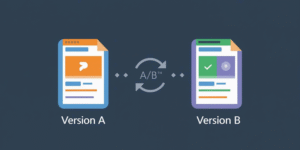
Optimization should be an ongoing process, not a one-time effort. The more you test, the more efficient your campaigns become.
Step 10: Align PPC with the Bigger Picture
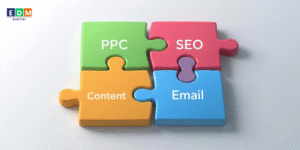
Finally, PPC shouldn’t exist in isolation. To truly maximize ROI, your PPC strategy must align with your overall marketing funnel.
For example, combine Google Ads with retargeting on Meta. Use PPC to drive traffic to lead magnets, then nurture those leads with email marketing. This is where marketing automation ensures no lead is lost after the click. Integrate PPC data with your CRM to personalize future campaigns.
When PPC works in harmony with SEO, content marketing, and email automation, it becomes a growth engine instead of just another channel.
Final Thoughts: ROI-Driven PPC in 2026
Creating a PPC strategy that delivers real ROI isn’t about throwing money at ads and hoping for results. It’s about building a structured, data-driven approach that combines audience insights, sharp targeting, compelling ads, optimized landing pages, and constant refinement.
In 2026, the businesses winning with PPC are the ones treating it as an investment, not an expense. They don’t chase clicks—they chase conversions. The strongest brands also balance paid traffic with organic growth, treating SEO as a long-term investment alongside PPC. They don’t run ads in silos—they build integrated strategies that drive long-term growth.
If you want your PPC campaigns to deliver more than vanity metrics, it’s time to go beyond the basics and build a strategy that’s designed for ROI.
Ready to transform your PPC campaigns into a profit engine? Our experts with specialize in creating ROI-focused strategies that turn ad spend into real business growth—backed by proven results from our portfolio of successful campaigns.
Contact us today and let’s unlock your PPC potential.