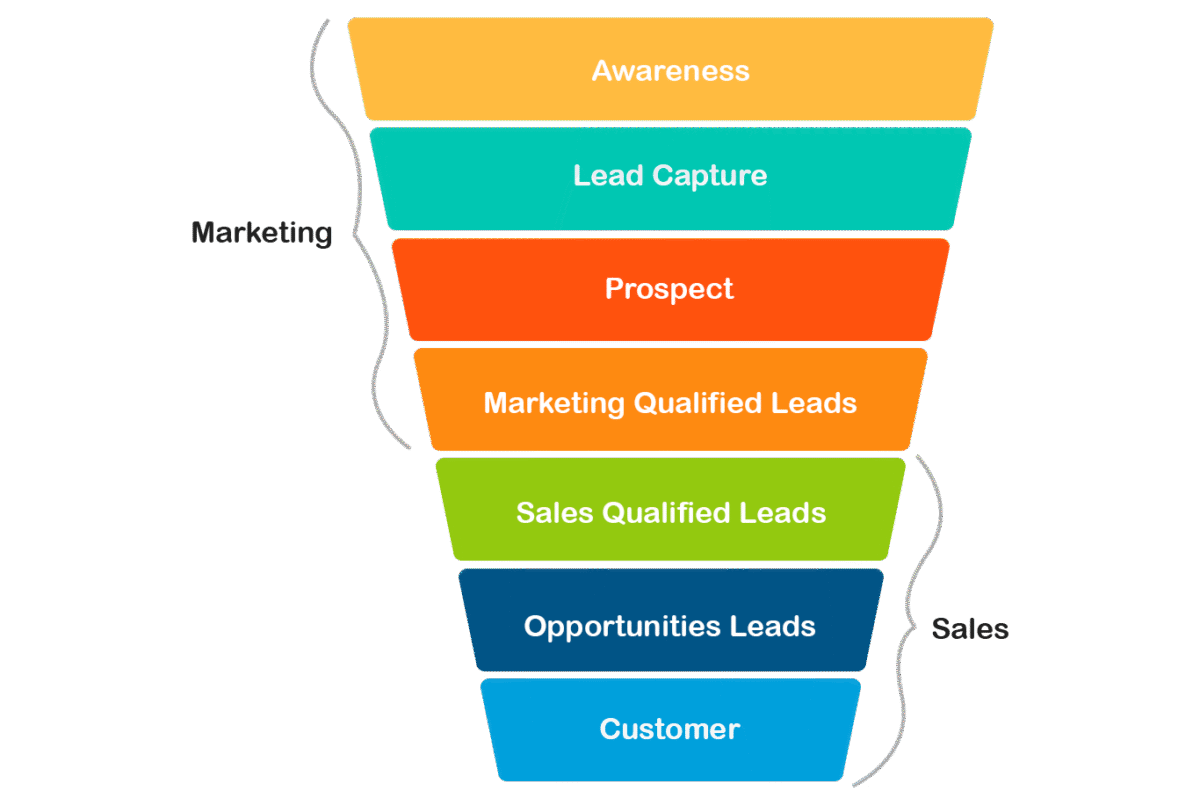
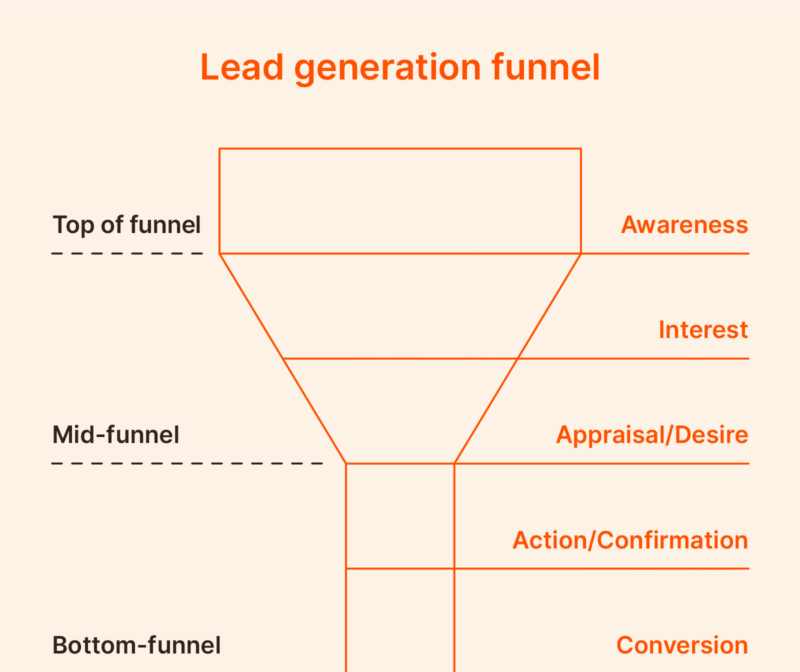
- Top of the funnel (TOFU): Awareness. People discover your brand.
- Middle of the funnel (MOFU): Consideration. People compare options and learn more.
- Bottom of the funnel (BOFU): Decision. People are ready to buy.
Why Your Business Needs a Lead Generation Funnel
Without a funnel, you are guessing. With one, you are growing.
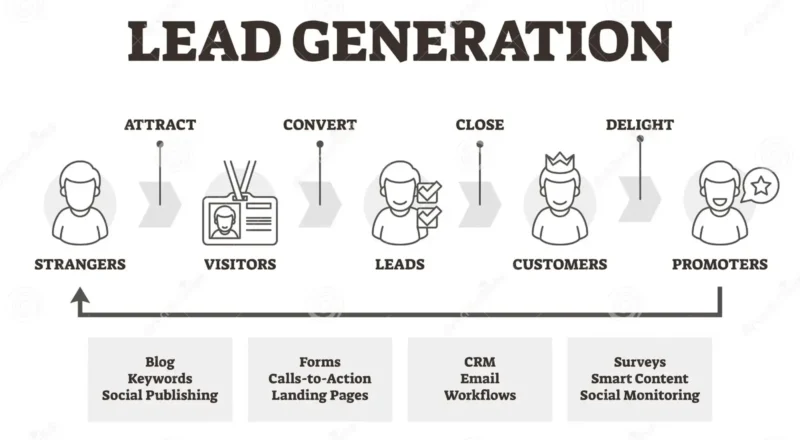
First, a funnel gives you a clear process. You know where leads come from and what happens next. Second, it saves time because many steps can be automated. Third, it helps you understand your customers better, which means smarter marketing decisions.
Moreover, a funnel improves your return on investment. Instead of spending money blindly, you can see which channels bring real leads and which ones waste your budget.
Step 1: Know Your Target Audience
Before you build anything, you must know who you are talking to. A message meant for everyone connects with no one.
Start by creating a simple buyer persona. Ask yourself:
- Who is my ideal customer?
- What problem do they face?
- Where do they spend time online?
- What stops them from buying?
For example, a fitness coach may target busy working women aged 25 to 40 who want quick home workouts. This clear picture makes every later step easier.
Step 2: Attract Visitors at the Top of the Funnel
Now it is time to bring people in. At this stage, your goal is to be helpful, not pushy.
Here are some effective ways to attract visitors:
- Blog posts: Answer common questions in your industry.
- Social media: Share tips, short videos, and success stories.
- SEO: Use keywords that your audience searches for.
- Paid ads: Reach new people quickly on Google or Facebook.
- Videos: Teach something useful on YouTube or Instagram.
In addition, always focus on quality. One helpful article that solves a real problem can bring leads for months or even years.
Step 3: Create a Strong Lead Magnet
Here is the secret: people rarely share their email for nothing. You must offer something valuable in return. This is called a lead magnet.
Good lead magnets are simple, useful, and easy to use. Some popular options include:
- Free ebooks or guides
- Checklists and templates
- Free trials or demos
- Discount coupons
- Webinars or online workshops
- Free quotes or consultations
For instance, a digital marketing agency could offer a “Free SEO Checklist for Small Businesses.” It solves a small problem fast, so visitors happily sign up.
Step 4: Build a High-Converting Landing Page
A landing page is where visitors turn into leads. Therefore, it must be clear and focused on one goal.
Keep these tips in mind:
- Write a strong headline that shows the main benefit.
- Use short, simple text that is easy to scan.
- Add one clear call to action (CTA), such as “Download Now.”
- Keep the form short. Ask for a name and email only.
- Show proof, like reviews, logos, or testimonials.
- Make it mobile-friendly, since many people browse on phones.
Remember, every extra field in your form can lower sign-ups. So, ask only for what you truly need.
Step 5: Nurture Leads With Email Marketing
Getting an email address is only the beginning. Most people are not ready to buy right away. As a result, you need to build trust over time.
Set up an automated email sequence. Here is a simple example:
- Email 1: Deliver the lead magnet and say thank you.
- Email 2: Share a helpful tip related to their problem.
- Email 3: Tell a customer success story.
- Email 4: Answer common questions or objections.
- Email 5: Make a clear offer with a call to action.
Furthermore, keep your emails short, friendly, and useful. Write as if you are talking to one person, not a crowd.
Step 6: Qualify and Score Your Leads
Not every lead is equally valuable. Some are just curious, while others are ready to buy. Lead scoring helps you tell the difference.
Give points based on actions, such as:
- Opening emails (+1 point)
- Clicking links (+3 points)
- Visiting your pricing page (+5 points)
- Requesting a demo (+10 points)
Then, your sales team can focus on leads with the highest scores. This saves time and improves your closing rate.
Step 7: Convert Leads Into Customers
This is the bottom of the funnel. Here, your goal is to make buying easy and safe.
Try these methods:
- Offer a free consultation or demo.
- Share case studies and reviews.
- Provide a limited-time discount.
- Add a money-back guarantee.
- Follow up quickly by phone or email.
Speed matters a lot here. Studies often show that leads contacted within minutes are far more likely to convert than those contacted days later.
Step 8: Track, Test, and Improve
Finally, a funnel is never “done.” You must measure results and make small improvements often.
Track these key numbers:
- Traffic: How many people visit your site?
- Conversion rate: How many visitors become leads?
- Cost per lead (CPL): How much does each lead cost you?
- Lead-to-customer rate: How many leads actually buy?
- Customer acquisition cost (CAC): How much does each customer cost you?
Next, use A/B testing to try small changes. For example, test two headlines or two button colors. Over time, these tiny wins add up to big growth.