1. Understand How AI Is Changing Search
First, let’s talk about the biggest shift. Search engines now show AI-generated answers at the top of many results pages. Also, people use AI chat tools to ask questions and get quick answers.
As a result, fewer people click on links for simple questions. But this is not bad news. When AI tools use your content as a source, your brand gets seen and trusted.
So, what should you do?
- Write clear, direct answers to common questions.
- Use short paragraphs and simple headings.
- Add facts, examples, and real data.
- Keep your content fresh and accurate.
In short, write for people first, and make it easy for machines to understand.
2. Build Real Expertise and Trust (E-E-A-T)
Google looks for Experience, Expertise, Authoritativeness, and Trust. In 2026, this matters more than ever.
Why? Because AI can now create endless generic content. Search engines want content that shows real knowledge.
Therefore, show the people behind your business:
- Add author names and short bios.
- Share real case studies and customer stories.
- Show reviews, awards, and certifications.
- Include an easy-to-find About page and contact details.
For example, a dental clinic should show real dentists, real patient results, and clear credentials. That builds trust with both readers and search engines.
3. Create Helpful, Original Content
Here is a hard truth: copying what already ranks will not work anymore. Search engines can spot repeated, thin content easily.
Instead, add something new. This could be your own research, expert opinions, photos, or step-by-step advice from real work. Moreover, focus on solving one problem well rather than covering ten topics badly.
Ask yourself these questions before you publish:
- Does this page answer the reader’s question fully?
- Would someone trust this advice?
- Does it offer something other pages do not?
If the answer is yes, you are on the right path.
4. Focus on Search Intent
Keywords still matter. But intent matters more. Search intent is the reason behind a search. Some people want to learn, some want to compare, and others are ready to buy.
For instance, “best running shoes” shows a buyer who is comparing options. On the other hand, “how to clean running shoes” shows someone who wants a guide. If you match the intent, your page will perform better.
To do this well, use natural language and long-tail keywords. People now type and speak full questions, so write the way your customers talk.
5. Get Your Technical SEO Right
Great content needs a strong foundation. Without it, search engines may struggle to crawl and rank your pages.
Here are the technical basics to check:
- Page speed: Fast sites keep visitors happy. Compress images and remove heavy scripts.
- Core Web Vitals: Aim for quick loading, smooth interaction, and stable layouts.
- Mobile-first design: Most searches happen on phones, so your site must work well on small screens.
- Secure site (HTTPS): This is a basic trust signal.
Clean site structure: Use clear menus, internal links, and an up-to-date XML sitemap. - Structured data: Add schema markup so search engines understand your content, such as products, reviews, and FAQs.
In addition, fix broken links and remove duplicate pages regularly.
6. Do Not Ignore Local SEO
Are you a local business? Then this section is for you.
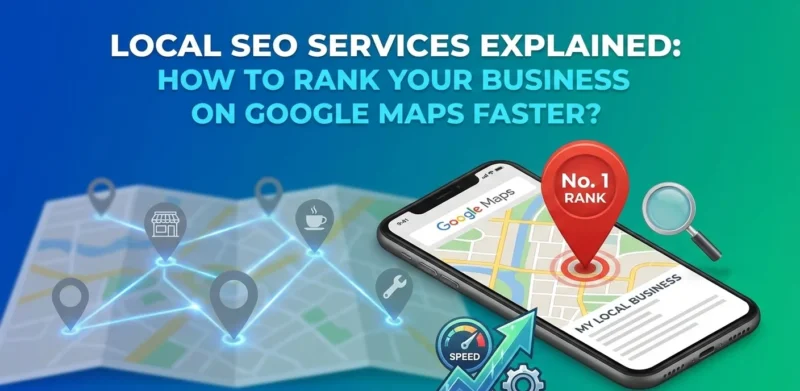
Many searches now include “near me,” and voice search makes this even bigger. Because of this, your Google Business Profile is one of your best assets.
Follow these steps:
- Fill out every detail of your profile.
- Add fresh photos often.
- Ask happy customers for reviews and reply to all of them.
- Keep your name, address, and phone number the same everywhere online.
- Create pages for each service and location you offer.
As a result, you will show up more often when nearby customers are ready to buy.
7. Use Video and Visual Content
People love to watch and scroll. Short videos, images, and infographics now appear in search results more than before.
Also, platforms like YouTube act as search engines on their own.
So, add helpful videos to your key pages. Use clear titles, captions, and descriptions.
Furthermore, write alt text for images so that everyone, including search engines, can understand them.
8. Build Your Brand, Not Just Rankings
Here is a useful idea: strong brands win in search. When people search for your business name directly, it tells search engines that you are trusted.
Therefore, think beyond your website. Be active where your audience spends time, such as social media, podcasts, forums, and industry sites.
Earn quality backlinks by sharing useful research or getting featured in trusted publications. A few good links are worth more than hundreds of weak ones.
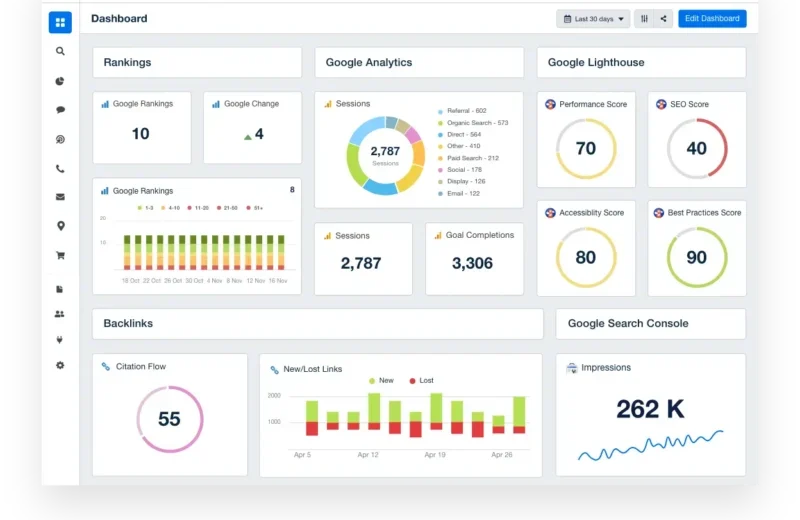
9. Track the Right Numbers
Finally, measure what matters. Rankings alone don’t tell the whole story anymore. Since AI answers may reduce clicks, look at a wider set of signals:
- Organic traffic and conversions
- Brand searches
Engagement time on your pages - Leads and sales from search
- Mentions of your brand in AI answers
Then, review your results every month and improve your weakest pages first.