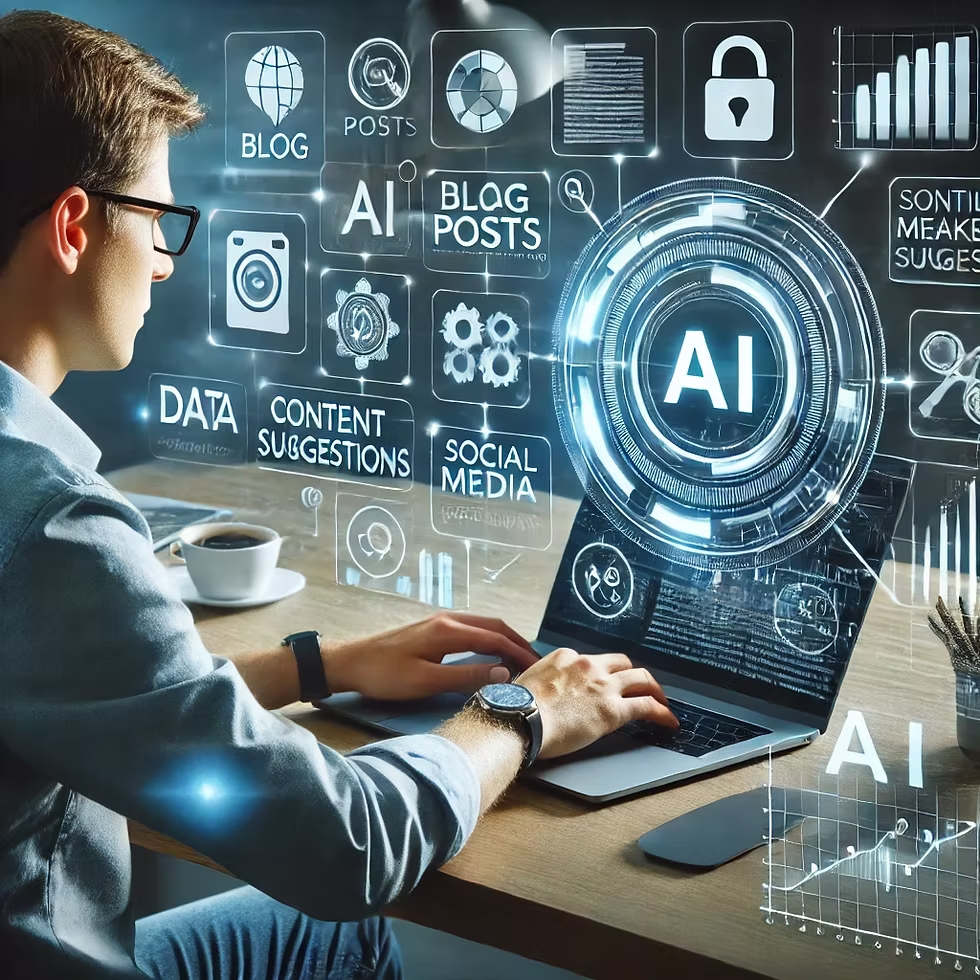
Content marketing used to be slow. Teams spent days on research, writing, editing, and posting. Today, AI tools handle many of these steps in minutes. As a result, small teams can now compete with big brands.
Moreover, readers expect more. They want fast answers, useful tips, and content made just for them. AI helps marketers meet these needs without burning out. However, the best results still come from people and machines working together.
1. Faster Content Creation
The biggest change is speed. AI can write first drafts, suggest headlines, and turn one long article into social posts, emails, and short videos.
For example, a single webinar can become a blog post, five LinkedIn posts, and a newsletter in one afternoon.
Because of this, marketers spend less time on boring tasks. Instead, they can focus on ideas, stories, and strategy. In other words, AI does the heavy lifting, and humans add the heart.
2. Smarter Research and SEO
Good content starts with good research. In 2026, AI tools study search trends, competitor pages, and reader questions in seconds.
They can suggest keywords, show content gaps, and even predict which topics will grow next month.
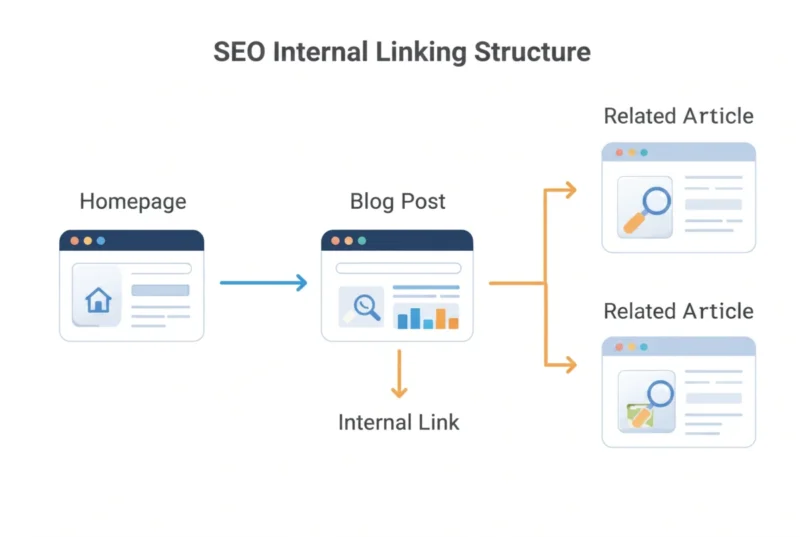
Also, AI helps with on-page SEO. It checks headings, readability, and internal links while you write.
Therefore, your content is more likely to rank well and reach the right people. Still, always check the facts yourself, because AI can make mistakes.
3. Personalization at Scale
Here is a simple truth: people like content that feels made for them. AI makes this possible for thousands of readers at once.
It studies what a person clicks, reads, and buys. Then it shows them the most useful content.
For instance, an online store can send one email to a new visitor and a different email to a loyal buyer.
Similarly, a website can change its headline based on a reader’s interest. As a result, engagement goes up, and customers feel understood.
4. AI Search and Answer Engines
Search itself is changing. Many people now ask AI assistants and use AI-powered search summaries instead of clicking ten blue links. Consequently, brands must write content that AI tools can easily understand and quote.
So, what works best?
• Give clear, direct answers near the top of each section.
• Use simple headings and short paragraphs.
• Add FAQs, lists, and tables where they help.
• Show real experience, data, and expert views.
In short, helpful and trustworthy content wins, whether a person or an AI reads it first.
5. Video, Image, and Voice Content
AI is not only about text. In 2026, marketers use it to create images, edit videos, add captions, and turn written posts into audio.
Many teams also translate content into several languages quickly, which opens doors to new markets.
Furthermore, short videos made with AI help brands stay active on social media without a huge budget. Nevertheless, quality matters.
A rushed or fake-looking video can hurt trust, so always review the final result.
6. Better Data and Measurement
Measuring results used to take hours of spreadsheet work. Now, AI dashboards show which posts bring leads, which headlines get clicks, and where readers leave. They can even suggest what to fix.
As a result, marketers make decisions based on facts, not guesses. This saves money and improves return on investment (ROI) over time.
Risks and Challenges to Watch
AI is powerful, but it is not perfect. Here are the main problems to keep in mind:
• Generic content: When everyone uses the same tools, posts start to sound alike.
• Wrong facts: AI can sound sure while being wrong.
• Loss of trust: Readers can tell when content feels empty or robotic.
• Privacy and copyright: Brands must use data and images responsibly.
That is why a human editor is still essential. Think of AI as a fast assistant, not the final boss.
AI is changing content marketing in 2026 in big ways.
It speeds up writing, improves research, personalizes messages, and makes results easier to measure. At the same time, it brings new risks, such as bland content and false facts.
The winning plan is simple: let AI handle the routine work, and let people bring creativity, honesty, and experience.
Brands that do this will stand out, earn trust, and grow faster. So, start small, test one tool this week, and build from there.