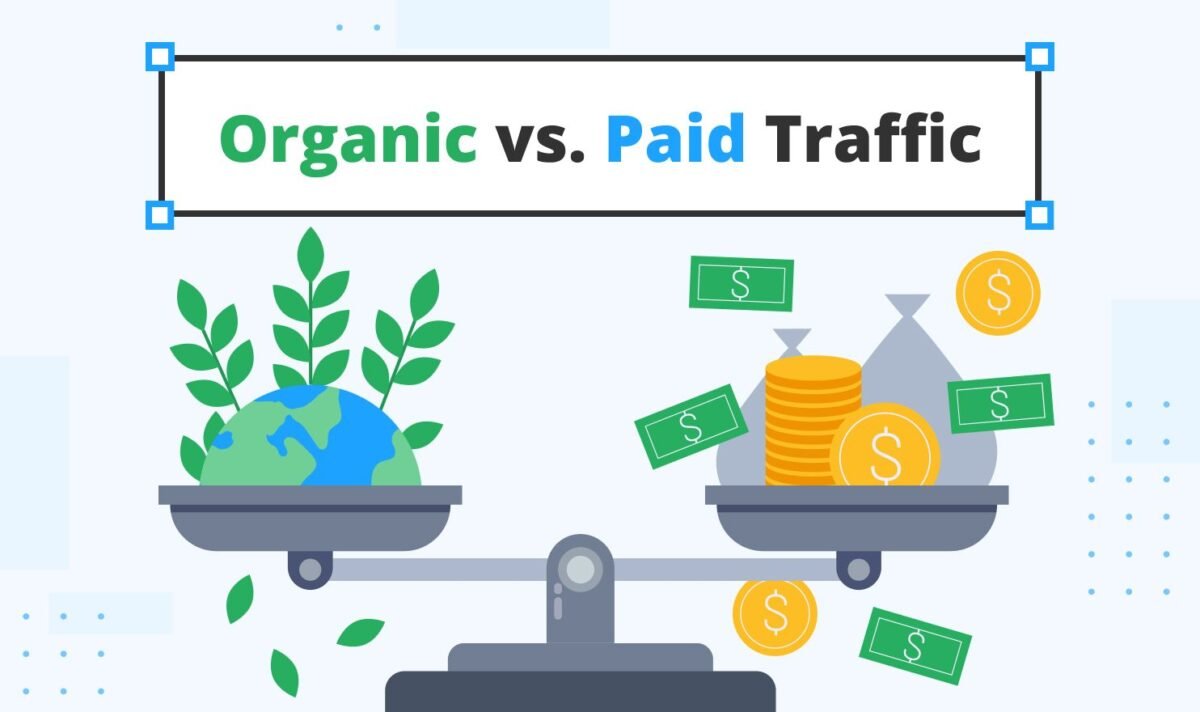
Organic Traffic vs. Paid Traffic: Which Brings Better Results?
Every website wants more visitors. But should you earn them slowly or buy them fast?
Getting people to your website is the first step to growing any online business. However, there are two main ways to do it: organic traffic and paid traffic. Each one has strengths and weaknesses. In this guide, you will learn how both work, how they compare, and which one may bring better results for you.
What Is Organic Traffic?
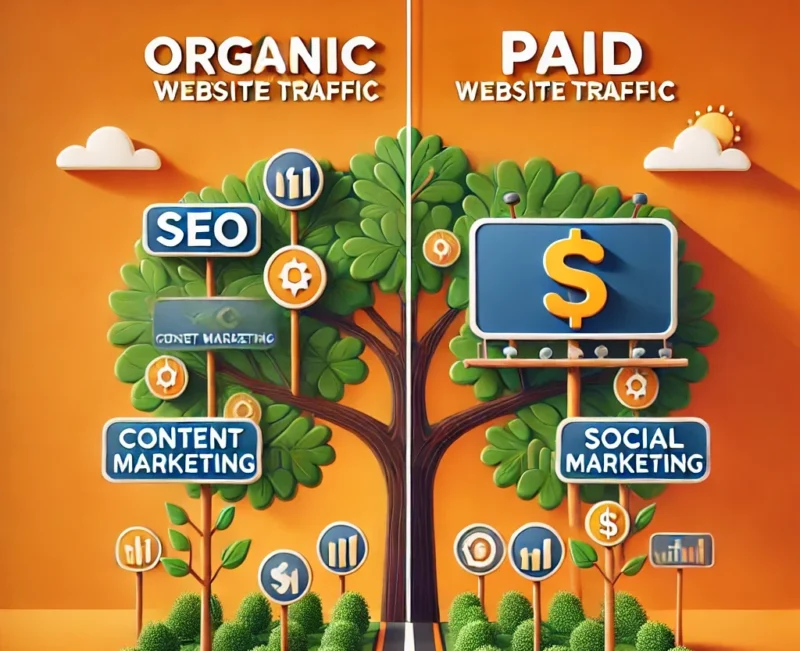
Organic traffic means visitors who find your website through unpaid search results. For example, someone types a question into Google, sees your article, and clicks on it. You did not pay for that click.
Organic traffic usually comes from:
- Search engine optimization (SEO)
- Blog posts and articles
- Social media posts (unpaid)
- Email newsletters
- Backlinks from other websites
In simple words, you earn this traffic by creating helpful content that search engines trust.
What Is Paid Traffic?
Paid traffic means visitors who come to your site through ads that you pay for. Every time someone clicks your ad (or sees it), you pay a fee.
Common sources of paid traffic include:
- Google Ads
- Facebook and
- Instagram Ads
- YouTube Ads
- LinkedIn Ads
- Sponsored posts and influencer deals
As a result, your website can get visitors within hours, not months.
Key Differences Between Organic and Paid Traffic
Before you choose, it helps to see the main differences side by side.
1. Cost
Organic traffic is not free, but it is cheaper over time. You spend money on writing, tools, or SEO experts once, and the content keeps working. Paid traffic, on the other hand, costs money every single day. When you stop paying, the visitors stop coming.
2. Speed
Paid ads win here. You can launch a campaign today and get clicks tomorrow. Organic traffic takes longer. Most websites need three to six months, or more, to see strong SEO results.
3. Trust
Many users trust organic results more than ads. In fact, a lot of people skip ads completely because they want honest answers. Therefore, ranking high in search builds more credibility.
4. Long-Term Value
A good blog post can bring visitors for years. A paid ad, however, ends the moment your budget ends.
5. Targeting
Paid traffic gives you precise control. You can choose age, location, interests, and even device type. Organic traffic is less controllable because you depend on what people search for.
Benefits of Organic Traffic
Organic traffic is the base of most successful websites. Here is why.
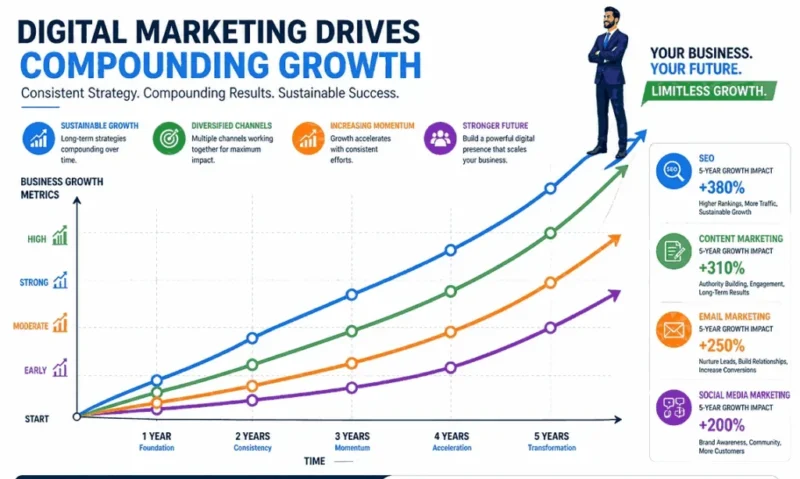
- It builds long-term growth. Once your page ranks well, it can bring steady visitors without extra cost.
- It lowers your cost per visitor. Over time, each visitor becomes cheaper because the content keeps paying you back.
- It creates authority. When you answer questions well, people see you as an expert. Consequently, they are more likely to return and buy from you.
- It brings qualified visitors. People who search for solutions are often ready to learn, compare, or buy.
Drawbacks of Organic Traffic
Still, organic traffic is not perfect.
First, it is slow. You may wait months before your efforts show results. Second, rankings can change. A Google update can push your page down overnight. Finally, competition is high, especially for popular keywords. Because of this, you need patience and a clear plan.
Benefits of Paid Traffic
- Paid traffic is powerful when you need quick results.
- It is fast. You can reach thousands of people in a single day.
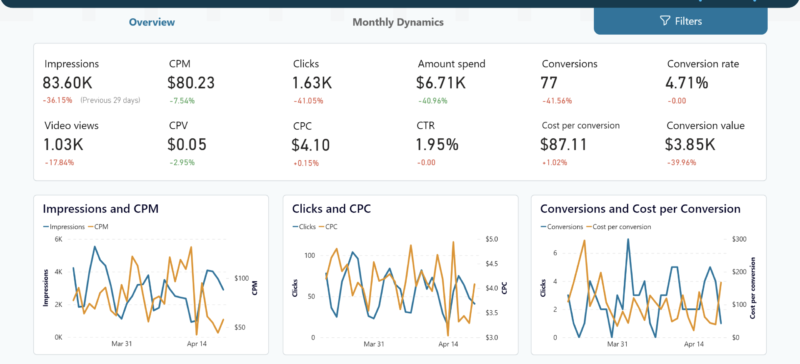
- It is easy to measure. Ad platforms show clicks, costs, and sales clearly. Thus, you can see exactly what works.
- It offers strong targeting. You can show your ad only to people who match your ideal customer.
- It is great for testing. Not sure if an offer will sell? Run a small ad campaign and find out in days.
Drawbacks of Paid Traffic
Paid traffic also has risks.
To begin with, it can get expensive. Click costs keep rising in many industries. Moreover, poor targeting or weak ads can waste your budget quickly. Another problem is that results stop the moment you stop paying. Lastly, many users ignore ads, so your click rate may be low.
Which One Brings Better Results?
Here is the honest answer: it depends on your goals.
Choose organic traffic if:
- You want long-term, stable growth
- You have a limited ad budget
- You are building a brand or blog
- You can wait a few months for results
Choose paid traffic if:
- You need sales or leads right now
- You are launching a new product
- You want to test an offer quickly
- Your competitors dominate the search results
For most businesses, organic traffic gives better long-term results, while paid traffic gives better short-term results. In other words, one is a marathon and the other is a sprint.
Why the Smartest Marketers Use Both
Why choose one when you can combine the power of both?
The best strategy is usually a mix. Here is how the two work together.
- Use paid ads to test keywords. If an ad keyword converts well, write organic content around it.
- Retarget your organic visitors. Show ads to people who already visited your site but did not buy.
- Fill the gaps. While your SEO grows, paid ads can bring traffic in the meantime.
- Share data. Ad results show which headlines and offers people love, and you can use this in your content.
Together, they create a steady flow of visitors and a stronger brand presence.
Tips to Get the Most From Your Traffic
To improve your results, follow these simple steps:
- Know your goal: Do you want sales, leads, or brand awareness?
- Research keywords: Pick words your audience really searches for.
- Create useful content: Answer questions clearly and honestly.
- Track your numbers: Use Google Analytics and ad dashboards to watch performance.
- Improve your landing pages: Good traffic is wasted if your page is slow or confusing.
- Start small with ads: Test a low budget first, then scale what works
Conclusion
Organic traffic and paid traffic are not enemies. They are partners. Organic traffic builds trust, brings lasting value, and costs less over time. Paid traffic delivers speed, control, and quick data.
If you want long-term success, focus on organic growth. If you need fast results, add paid ads. For the best outcome, use both together and adjust based on your goals, budget, and timeline. Start today, track your results, and keep improving.
Frequently Asked Questions (FAQs)
1. Is organic traffic better than paid traffic?
Organic traffic is better for long-term growth and trust. Paid traffic is better for fast results. The right choice depends on your goals and budget.
2. How long does organic traffic take to grow?
It usually takes three to six months to see good results. However, highly competitive topics can take longer.
3. Is organic traffic really free?
Not completely. You may spend on content, SEO tools, or experts. Still, you do not pay per click, so the cost drops over time.
4. Does paid traffic help SEO?
Paid ads do not directly improve your rankings. Nevertheless, they can bring more visitors, brand awareness, and links, which may help SEO indirectly.
5. Which traffic converts better?
Paid traffic often converts quickly because of strong targeting. Organic visitors, however, tend to trust you more and may stay loyal for longer.
6. Can small businesses use both?
Yes. Small businesses can start with a small ad budget while building SEO content. Over time, they can reduce ad spend as organic traffic grows.
7. What is the best way to start with organic traffic?
Start with keyword research, then write clear, helpful articles that answer real questions. Also, make sure your site loads fast and works well on mobile.
Need help improving your local search visibility?
EDM Digital can help you build a stronger local SEO strategy, optimize your online presence and attract more relevant customers