Is AI the Future of Lead Generation?
Every business wants more leads. But what if the old ways of getting them no longer work?
Today, buyers ignore cold emails, skip ads, and expect brands to know what they need. The good news is that new tools can help.
AI, automation, and personalization are changing how companies find and win customers. In this article, you will learn how each one works, why they matter, and how to use them well.
What Is Lead Generation Today?
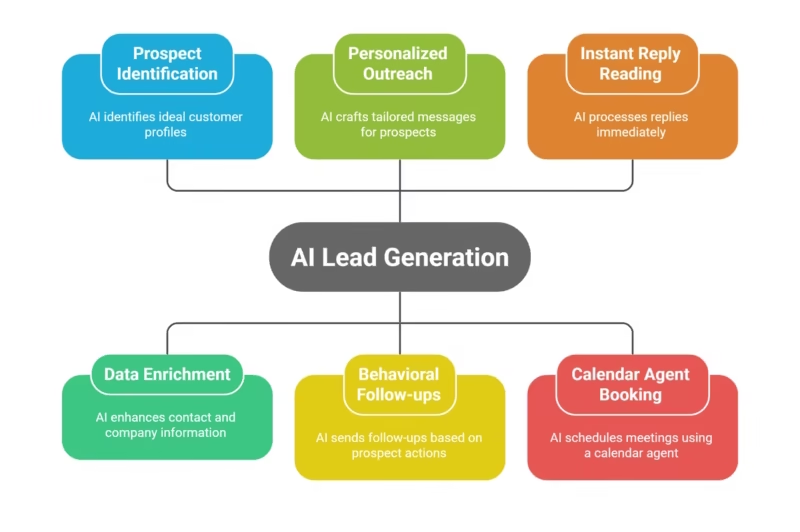
Lead generation means attracting people who may want to buy from you. In the past, this meant cold calls, trade shows, and mass emails. These methods took a lot of time, and most of the effort was wasted.
Now, buyers do their own research online. They compare options, read reviews, and decide long before they talk to sales. As a result, businesses must reach the right people at the right time. This is where modern technology helps.
How AI Is Changing Lead Generation
First, let’s talk about artificial intelligence. AI can study large amounts of data in seconds, which is something no human team can do.
Smarter lead scoring. Not every lead is ready to buy. AI looks at behavior, such as pages visited, emails opened, and forms filled.
Then it gives each lead a score. Your sales team can focus on people who are most likely to buy.
Better predictions. AI can spot patterns in your past customers. Therefore, it can find new people who look like your best buyers. This saves money and improves your results.
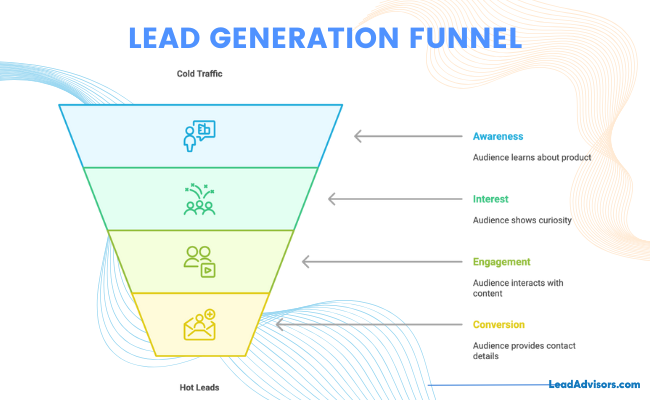
Chatbots that work 24/7. Many visitors leave a website without saying a word. An AI chatbot can greet them, answer questions, and collect contact details at any hour. Because of this, you stop losing leads while your team sleeps.
Faster content creation. AI tools can help write emails, ads, and landing page copy. However, a human should always review the work to keep it accurate and friendly.
The Power of Automation
Next comes automation. Automation uses software to handle repeat tasks without manual work. It does not replace people. Instead, it gives them more time for important conversations.
Here are some common ways to use it:
- Email sequences: Send a set of emails automatically when someone joins your list.
- Lead capture: Move new form entries straight into your CRM.
- Follow-up reminders: Alert your team when a lead visits your pricing page.
- Social media posting: Schedule posts so your brand stays active.
For example, imagine a visitor downloads your free guide. Automation can send a thank-you email right away. Two days later, it can share a helpful tip.
After a week, it can offer a free call. All of this happens without anyone clicking “send.”
Moreover, automation reduces mistakes. People forget to follow up, but software does not. Speed also matters here. Studies often show that leads contacted within minutes are far more likely to convert.
Why Personalization Matters More Than Ever
Now let’s look at personalization. People get hundreds of messages every day. A message that feels generic goes straight to the trash.
Personalization means making your message fit the person reading it. It goes beyond using a first name. It includes their job, interests, location, and past actions.
Consider these examples:
- A visitor reads three blog posts about email marketing. Your site then shows an offer for your email tool.
- A returning customer sees product tips based on what they bought before.
- A small business owner gets a case study from a similar company.
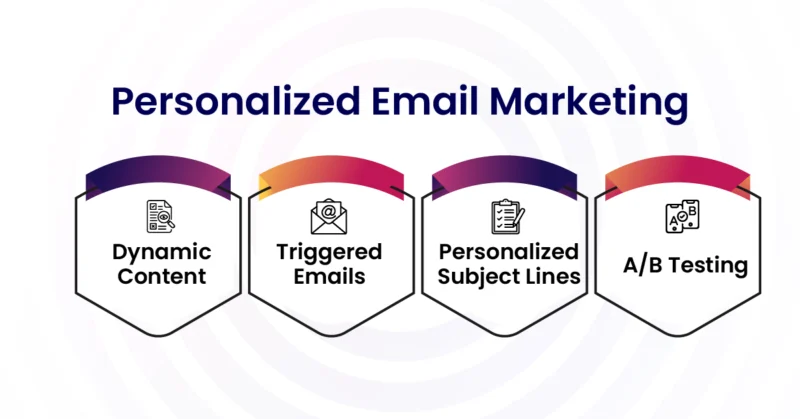
Personal messages feel helpful, not pushy. As a result, trust grows, and trust leads to sales.
Research from several marketing firms shows that personalized campaigns often bring higher open rates and better conversions than generic ones.
How Atomization and Personalization Work Together
Each of these tools is strong alone. Yet the real magic happens when you combine them.
Here is a simple example. A visitor lands on your website. AI studies their behavior and sees they are interested in pricing. Automation sends them a helpful email with a pricing guide.
Personalization makes that email match their industry and needs. Finally, your sales team gets an alert and calls at the perfect moment.
In short, AI finds the right lead, automation saves time, and personalization builds trust. Together, they create a smooth path from stranger to customer.
Challenges You Should Know About
Of course, no tool is perfect. Before you start, keep these points in mind.
- Data privacy: People care about how you use their information. Follow rules like GDPR and be open about what you collect.
- Too much automation: If every message feels robotic, people will notice. Keep a human touch in your emails and calls.
- Poor data quality: AI is only as good as the data it learns from. Therefore, clean your lists often.
- Cost and learning time: Some tools are expensive and take time to learn. Start small and grow step by step.
Simple Steps to Get Started
Ready to try? Follow these steps.
- Set clear goals: Decide what you want, such as more demo bookings or more email sign-ups.
- Know your audience: Build a clear picture of your ideal customer.
- Pick one tool first: A CRM with built-in AI is a good start.
- Automate one process: Begin with a welcome email series.
- Add personal touches: Use customer data to tailor your messages.
- Track and improve: Check your results every month and adjust.
By taking small steps, you avoid stress and learn what works for your business.
What the Future Looks Like
Looking ahead, lead generation will become even more data-driven. Voice search, smarter chatbots, and predictive tools will grow quickly. In addition, buyers will expect fast and relevant answers every time.
Still, one thing will not change: people buy from people they trust. Technology can open the door, but honest and helpful communication wins the deal.
Companies that balance both will lead the way.
Conclusion
Lead generation is changing fast, and old methods are losing power.
AI helps you find and score the best leads. Automation saves time and keeps your follow-ups on track. Personalization makes every message feel useful and human.
When you combine all three, you get a stronger, faster, and more reliable lead engine.
Start with small, protect your customers’ data, and keep a human voice in everything you do. Businesses that act now will be ready for what comes next.
Frequently Asked Questions (FAQs)
1. Will AI replace sales and marketing teams?
No. AI handles repeat and data-heavy work. People are still needed for strategy, creativity, and building real relationships.
2. Is lead generation automation good for small businesses?
Yes. Many affordable tools exist. Automation helps small teams save time and follow up on every lead.
3. What is the best way to personalize marketing messages?
Use data such as past purchases, pages visited, and job role. Then tailor your email, ad, or offer to match those details.
4. How do I keep customer data safe?
Collect only what you need, store it securely, and follow privacy laws. Also, tell people clearly how you use their information.
5. How long does it take to see results?
It depends on your goals and tools. Many businesses notice better engagement within a few weeks, while stronger sales results may take a few months.
6. Which tool should I start with?
A CRM with email automation and basic AI features is a smart first step. You can add more tools as you grow.